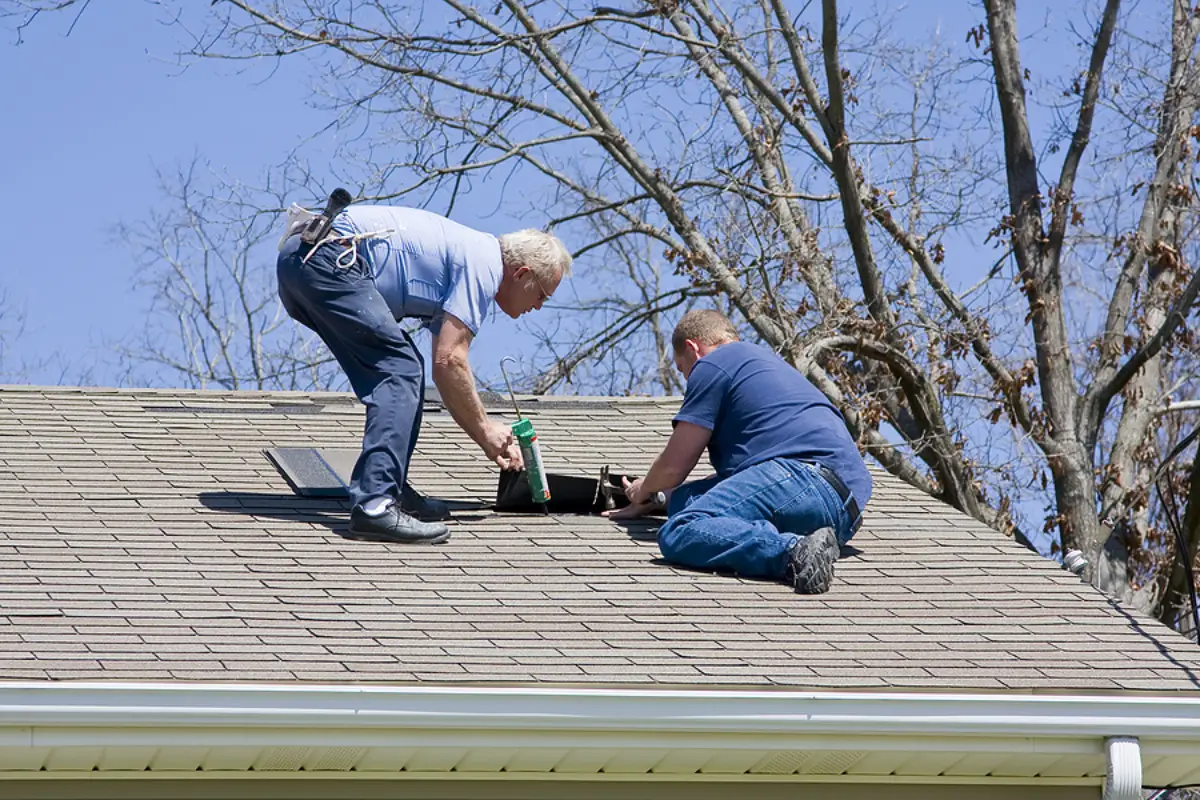
Small maintenance requests don’t usually raise concern on their own. A loose handle, a slow drain, or a flickering light can feel like part of normal upkeep. Over time, though, those same problems can return more often than expected, and that’s when they start telling a different story.
Reviewing details like maintenance importance insights can help you understand how recurring issues form patterns. Once those patterns show up, they often point to something deeper that needs attention.
Repeated repairs do more than interrupt your routine. They increase your expenses, create tenant frustration, and make it harder to keep your rental operating smoothly. Recognizing these patterns early allows you to make better decisions that protect your investment.
Key Takeaways
- Recurring repairs usually signal deeper system problems rather than isolated issues
- Temporary fixes increase long-term maintenance expenses over time
- Delaying upgrades leads to frequent breakdowns and reduced efficiency
- Consistent repairs improve tenant satisfaction and retention
- Identifying patterns early helps maintain stable property performance
Why Recurring Repairs Point to Larger Problems
Repeated issues often mean the original repair did not address the full cause. When something keeps breaking, it is usually tied to an underlying system problem.
Savannah’s coastal climate adds pressure to building systems. Humidity and salt exposure can accelerate wear, especially in plumbing, HVAC, and electrical components.
Common Sources of Repeated Issues
- Plumbing problems linked to buildup or pipe corrosion
- HVAC systems that are aging or working beyond capacity
- Electrical systems that struggle with modern demand
Making improvements through smart rental budgeting helps you plan for long-term fixes instead of repeated short-term repairs.
Addressing the root cause is key to stopping the cycle.
The Cost of Repeating the Same Repairs
A single repair might not seem significant. The real issue appears when the same repair keeps coming back.
Every maintenance visit involves labor, materials, and coordination. These repeated costs add up quickly. Housing expenses continue to climb, reaching $2,035 in 2024, which shows how ongoing costs affect property owners nationwide.
Where Costs Increase
- Service fees for every visit
- Replacement parts that wear out quickly
- Time spent coordinating vendors
Evaluating your coverage through landlord insurance insights can also help you understand how recurring repairs impact your financial protection.
Temporary fixes may feel convenient, but they often lead to higher long-term costs.
Delaying Upgrades Leads to More Repairs
Holding off on upgrades may seem like a practical decision. In many cases, it results in more frequent repairs and higher expenses.
Older systems become less reliable over time. They require more maintenance and are more likely to fail unexpectedly.
Long-Term Effects of Delays
- Increased repair frequency
- Higher energy costs
- Reduced equipment lifespan
- Greater risk of sudden failures
Scheduling regular property inspection planning helps catch issues early before they develop into recurring problems.
Timely upgrades improve stability and reduce stress.
Tenant Satisfaction Drops When Problems Repeat
Recurring maintenance issues affect how tenants experience your property. Even quick repairs can feel frustrating when the same issue keeps returning.
Tenants expect solutions that last. When problems repeat, it can affect their confidence in your property.
Signs of Tenant Frustration
- Repeat complaints about the same issue
- Frustration during maintenance requests
- Lower satisfaction despite fast responses
- Hesitation to renew leases
Reliable maintenance helps create a more comfortable living experience and encourages long-term tenancy.
Turnover Risks Increase With Ongoing Issues
Tenants are more likely to leave when problems persist. Even small recurring issues can influence their decision to move.
Turnover leads to additional costs such as vacancy periods, marketing, and leasing fees. Frequent tenant changes also increase wear on the property.
Why Stability Matters
When maintenance is handled properly, tenants are more likely to stay. Stability improves occupancy rates and reduces overall costs.
You can better understand your property’s performance by using a rental ROI calculator to evaluate how recurring issues impact your returns.
Consistent maintenance supports long-term success.
A Proactive Maintenance Strategy Reduces Costs
Breaking the cycle of recurring repairs requires a shift from reactive fixes to proactive planning.
Maintenance trends show how costly unresolved issues can become. Reports indicate repair needs reached $198.4 billion in a single year, showing how repeated maintenance contributes to rising expenses.
Practical Steps to Improve Maintenance
- Track repair history to identify patterns
- Invest in long-term solutions instead of temporary fixes
- Schedule regular inspections
- Upgrade outdated systems when needed
Access to tools like a free rental analysis helps you identify areas where recurring issues may be affecting performance.
A proactive approach improves efficiency and reduces repeated costs.
Building Long-Term Value Through Smarter Maintenance
Maintenance decisions shape the long-term value of your property. When systems are reliable, expenses become more predictable, and tenants feel more comfortable.
Consistent upgrades and proper planning help reduce unnecessary spending while improving overall property performance. Over time, this approach creates a more stable and profitable rental experience.
FAQs about Recurring Repairs and Rental Property Efficiency in Savannah, GA
What are the early warning signs that a repair issue is becoming a pattern?
Frequent service requests for the same system, rising maintenance costs in one area, and repeated tenant complaints often indicate a developing pattern that points to a deeper issue needing a long-term solution.
How does poor installation contribute to recurring repairs?
Improper installation can lead to repeated failures because components are not set up to handle normal usage, causing strain on the system and increasing the likelihood of breakdowns over time.
Can regular inspections really reduce repeat maintenance problems?
Routine inspections help identify wear and potential issues before they escalate, allowing you to address underlying causes early and prevent the same repair from happening multiple times.
Do recurring repairs affect property value over time?
Yes, repeated maintenance issues can lower property value by increasing long-term costs, reducing system efficiency, and creating a less reliable living environment that may discourage future tenants or buyers.
What role do vendors play in preventing repeat repair issues?
Experienced vendors can identify root causes instead of applying quick fixes, ensuring repairs are completed properly the first time and reducing the likelihood of the same issue returning soon after.
Keep Your Property Running Smoothly With the Right Strategy
Recurring repairs often signal deeper inefficiencies that need attention. Ignoring them leads to higher costs, repeated disruptions, and reduced tenant satisfaction.
At PMI Savannah Metro, we focus on identifying root causes and improving long-term property performance so you can avoid repeated issues.
Set your rental on a more reliable path by choosing to put an end to repeat maintenance problems and keep your investment running with fewer disruptions.
